MY LEARNING GOAL: By the end of the semester, I will compile a resource portfolio that contains a minimum of 20 strategies and examples for teaching students with English as an additional language or dialect, to write texts with different text structures and linguistic features, in classrooms from Foundation to Year 6.

1. English as an Additional Language or Dialect Teacher Resource: Overview and EAL/D Learning Progression
Possible links to Australian Curriculum: Language variation and change; Language for interaction; Text structure and organisation; Expressing and developing ideas; Phonics and word knowledge; Literature and context; Responding to literature; Examining literature; Creating literature; Texts in context; Interacting with others; Interpreting, Analysing, Evaluating; Creating texts (ACARA, 2012).


This resource has been developed to:
– advise teachers about areas of the curriculum that EAL/D students may find challenging and why.
– assist classroom teachers to identify where their EAL/D students are broadly positioned on a progression of English language learning.
– help teachers understand students’ cultural and linguistic diversity, and the ways this understanding can be used in the classroom.
– provide examples of teaching strategies supportive of EAL/D students.
– direct teachers to additional relevant and useful support for teaching EAL/D students.
Available at: https://www.acara.edu.au/docs/default-source/curriculum/2015_eald_learning_progression.pdf?sfvrsn=2
2. SIOP Model – The Sheltered Instructional Observation Protocol: Helping English Learners Succeed
Possible links to Australian Curriculum: Language variation and change; Language for interaction; Text structure and organisation; Expressing and developing ideas; Phonics and word knowledge; Literature and context; Responding to literature; Examining literature; Creating literature; Texts in context; Interacting with others; Interpreting, Analysing, Evaluating; Creating texts (ACARA, 2012).


The SIOP Model can be used to support culturally responsive practice in a classroom. It provides in depth understandings of how to prepare, facilitate and assess learning opportunities for English Language Learners (ELL). The resource provides explanations of several key components necessary for teaching language and content effectively which can be translated across the English Curriculum. Examples of in-class resources are also included to support the use of the model for literacy and language development.
Available at: https://www.misd.net/bilingual/resourcePDF/WhatIfThey.pdf
3. Department of Education: Teaching and learning resources for EAL/D students
Possible links to Australian Curriculum: Language variation and change; Language for interaction; Text structure and organisation; Expressing and developing ideas; Phonics and word knowledge; Literature and context; Responding to literature; Examining literature; Creating literature; Texts in context; Interacting with others; Interpreting, Analysing, Evaluating; Creating texts (ACARA, 2012).
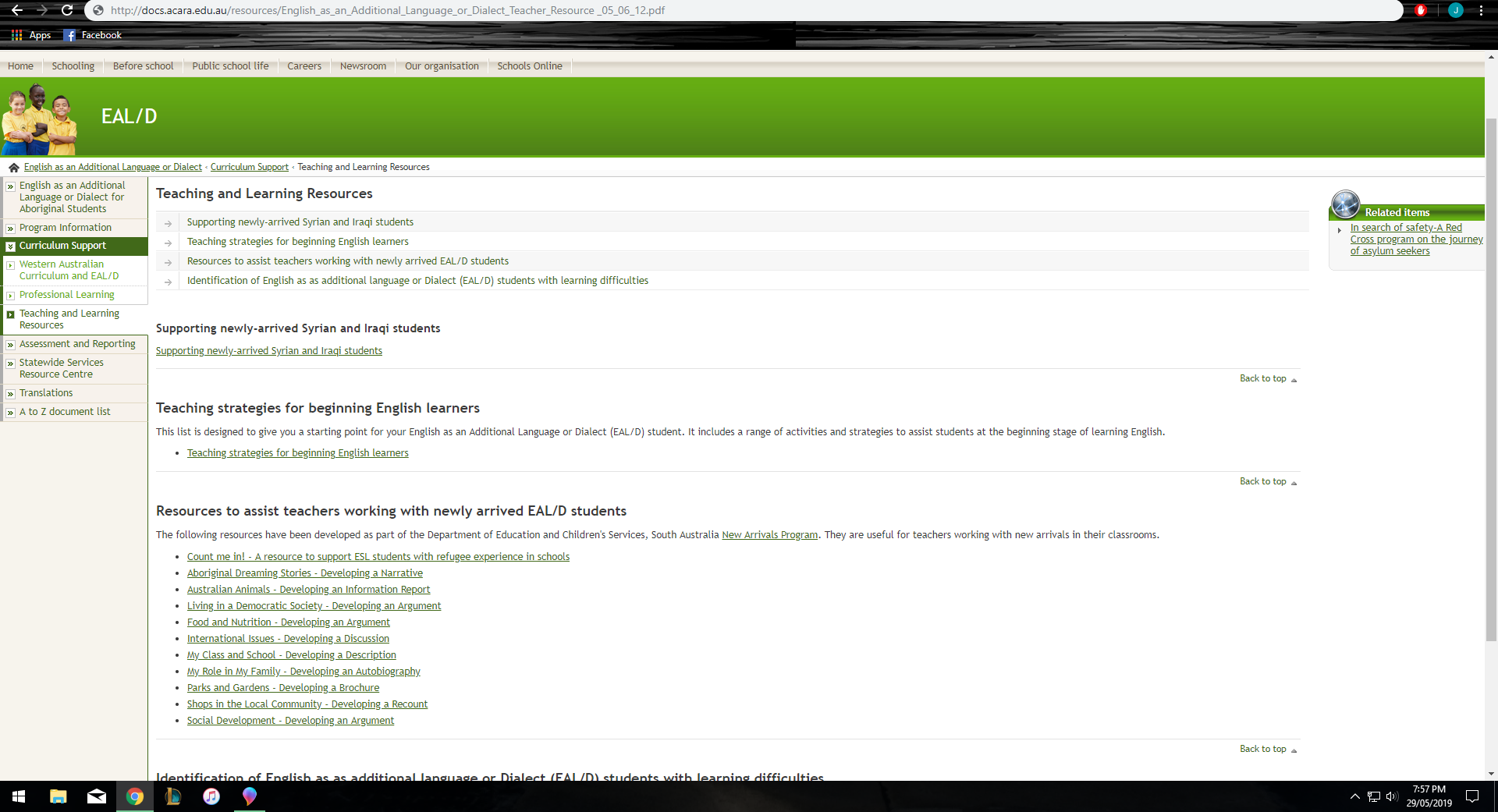

A website linked to ACARA under the EAL/D section of the curriculum. The site includes a variety of teacher resources for structuring lessons for the creation of the following text types: narrative, argument, discussion, description, autobiography, brochure, recount. Each text type has a topic and level of difficulty which is considered under the ESL scope/scale of language learning progression (resources for teaching Indigenous and Torres Strait Islander students is also included). The topics range from relevance to self and they go beyond to incorporate family, community, country and the world. These ideas are incorporated into each text type unit. They aim to create a deeper understanding of the relationships between the different facets of society while providing background to understand what it means to be a global citizen.
Available at: http://det.wa.edu.au/curriculumsupport/eald/detcms/navigation/curriculum-support/teaching-and-learning-resources/
4. Know your students and how to teach them
Possible links to Australian Curriculum: Language variation and change; Language interaction (ACARA, 2012)

A short writing activity which can be used at the beginning of a semester to get to know the students in your classroom. This resource can be hung up around the room to create an inclusive space for peers to get to know each while providing insight into ways to make learning personal (based on student interest) for future lessons.
5. KWHLAQ Chart
Possible links to Australian Curriculum: Language variation and change; Expressing and developing ideas (ACARA, 2012).

The KWHLAQ chart is an adaption of the KWL. It is a useful tool for allowing students to self assess their learning while also acting as a formative assessment resource, to identify student prior knowledge which can be used to inform future lessons. It also provides opportunities for students to create personal learning goals for further inquiry.
The chart is structured to scaffold knowledge development of a chosen topic (choose a topic relevant to individual EAL/D students to ensure learning can be made personal) and requires the use of higher order thinking to develop deeper understandings. Each column can be completed using drawings, symbols, written text, oral communication etc. (depending on the level of English learning progression for each student eg. beginning English, emerging English, developing English or consolidating English).
6. Teaching language features and language devices poster
Possible links to Australian Curriculum: Language variation and change; Language for interaction; Text structure and organisation; Expressing and developing ideas; Phonics and word knowledge; Literature and context; Responding to literature; Examining literature; Creating literature; Texts in context; Interacting with others; Interpreting, Analysing, Evaluating; Creating texts (ACARA, 2012).
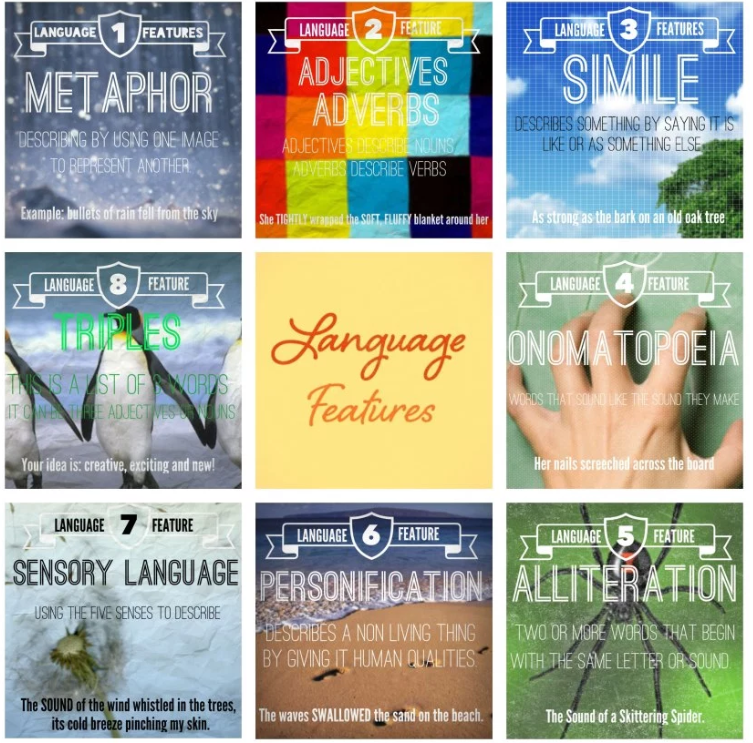
This poster can be placed on a wall in a classroom. It can act as a prompt to remind students of the different language features and devices of writing which can be used to define a type of text or to shape meaning. There are examples given for each language feature which are supported by a matching picture for each eg. The sound of the wind whistled in the trees, its cold breeze pinching my skin (a dandelion being blown by wind is shown to represent the idea in visual form to reinforce the meaning portrayed in the text). The visual representations of text will enable EAL/D students as well as non-EAL/D students to see how ideas are connected. The organisation and structure of this poster will enable diverse learners to better understands and retain information as the ideas, words and concepts about language features are associated with relevant images.
7. THRASS – Teaching Handwritting, Reading and Spelling Skills (student desk chart or wall poster)
Possible links to Australian Curriculum: Language variation and change; Language for interaction; Text structure and organisation; Expressing and developing ideas; Phonics and word knowledge; Literature and context; Responding to literature; Examining literature; Creating literature; Texts in context; Interacting with others; Interpreting, Analysing, Evaluating; Creating texts (ACARA, 2012).


THRASS is a system for teaching learners of any age about the building blocks of reading and spelling, that is, the 44 phonemes (speech sounds) of spoken English and the graphemes (spelling choices) of written English. It can be used as a foundation tool on a students desk or as a prompt on the classroom wall to help sound-out and create words when reading and writing.
Available at: https://www.thrass.com.au/
8. Classroom Library – historical, social and cultural contexts
Possible links to Australian Curriculum: Literature and context; Examining literature; Texts in contexts; Interpreting, analysing and evaluating; Interacting with others (ACARA, 2012).


Australian Curriculum: English – Literature strand
Literature and context: Students learn how ideas and viewpoints about events, issues and characters that are expressed by authors in texts are drawn from and shaped by different historical, social and cultural contexts (ACARA, 2012).
Through having a diverse classroom library, students are able to access reading resources which they may be able to relate to themselves or their peers to gain a deeper understanding of their culture or intercultural understandings. Having access to various reading resources opens opportunities for students to make reading-writing connections for further learning opportunities.
9. Making reading-writing connections
Possible links to Australian Curriculum: Text structure and organisation; Expressing and developing ideas; Examining literature; Responding to literature (ACARA, 2012).
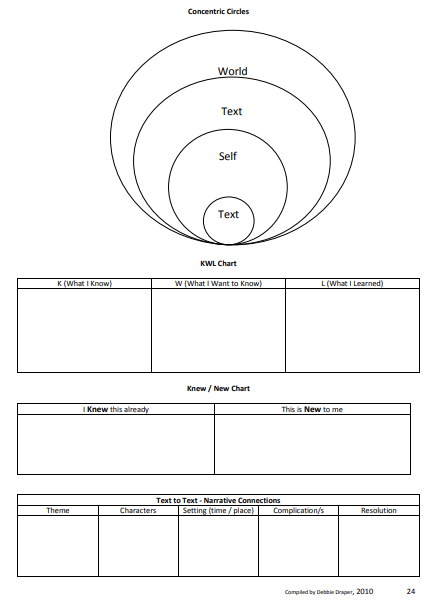
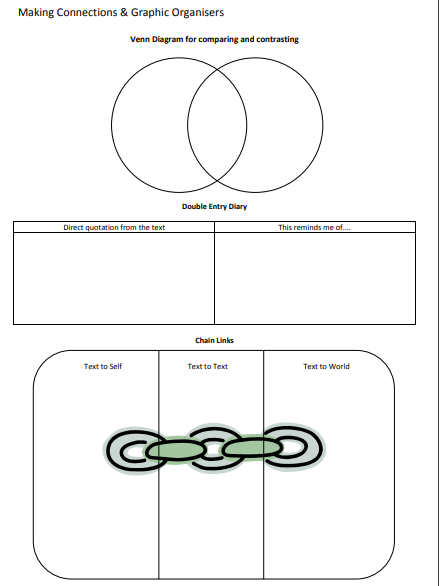
Make the reading-writing connection by exposing EAL/D learners to a wide variety of literary forms in reading and then provide opportunities for learners to construct their own forms to share with others.
Incorporate various writing activities into content-area units so that EAL/D learners will experience the kinds of writing that will be expected in disciplines across the curriculum.
10. Four Blocks Literacy Model
Possible links to Australian Curriculum: Language variation and change; Language for interaction; Text structure and organisation; Expressing and developing ideas; Phonics and word knowledge; Literature and context; Responding to literature; Examining literature; Creating literature; Texts in context; Interacting with others; Interpreting, Analysing, Evaluating; Creating texts (ACARA, 2012).


A framework which uses augmentative and alternative communication to provide comprehensive instruction to teach reading and writing to diverse learners. The blocks are interrelated and both individually and collaboratively work to develop the reading and writing skills of students.
11. Sociograms
Possible links to Australian Curriculum: Expressing and developing ideas; Literature and context; Examining literature; Interpreting, analysing and evaluating (ACARA, 2012).

Sociograms allow students to identify relationships between the characters in a story. They can be used to develop comprehension skills and make meaning of a stories plot and structure. Sociograms rely on the use of diagrams, images and lines to draw connections between characters. This makes learning possible through the visual representation of ideas – a useful strategy when teaching EAL/D students.
12. Five Finger Retell
Possible links to Australian Curriculum: Literature and context; Examining literature; Texts in context; Responding to literature (ACARA, 2012).

The Five Finger Retell is a reading strategy designed to help students recall the five key elements of a story including characters, setting, problem, events and solution. This strategy can be used to help student summarize orally or to complete a written summary.
13. The Seven Steps of Writing Success poster
Possible links to Australian Curriculum: Text structure and organisation; Expressing and developing ideas; Phonics and word knowledge; Creating literature; Creating texts (ACARA, 2012).


All of the steps encourage students to think about their senses to help them to create more exciting texts eg. Use your 5 + (1) senses: hear, see, touch, taste, smell and feel (emotions) – incorporating their senses provides students with a starting point for their writing and allows all students to access learning.
Example: Step 5: Show, don’t tell
– Telling sentence: the cat was unusual (sentence tells you what it is).
– Showing sentence: with glowing yellow eyes, long black fur that stood on end and a mouth full of sharp, pointed teeth like a tiger. I knew that this small creature before me was no ordinary cat. (This sentence is about the same topic but by adding detail readers are able to visualise and understand why the cat is unusual).
Note: this could be useful for teaching students of EAL/D background or low-literacy levels also as the senses can be drawn or presented using a collage of pictures and described orally or with small captions of words which can be scaffolded to eventually create more cohesive or larger texts using these strategies.
More information available at: https://www.sevenstepswriting.com/what-are-the-seven-steps/
14. Writing a postcard
Possible links to Australian Curriculum: Text structure and organisation; Expressing and developing ideas; Phonics and word knowledge; Creating literature; Creating texts (ACARA, 2012).


This resource can be used to allow EAL/D students to familiarise themselves with Australia, its culture, landmarks and weather etc. while also providing an opportunity to create informal texts addressed to a family member or friend.
15. Developing a description: My Class and School
Possible links to Australian Curriculum: Text structure and organisation; Expressing and developing ideas; Phonics and word knowledge; Creating literature; Creating texts (ACARA, 2012).


This resource provides a structure for teaching newly arrived EAL/D students to construct descriptions of their classroom and school, using pictures, collages of text and eventually written texts. The learning activities are scaffolded through a teaching and learning cycle which draws connections between students’ country of origin and Australia to make learning more personal. The teaching and learning cycle includes: building the field, modelling/deconstructing, independent construction and joint construction. An assessment criteria is also included to gauge student achievement across four band scales which assess genre, field, tenor and mode.
Available at: http://det.wa.edu.au/curriculumsupport/eald/detcms/navigation/curriculum-support/teaching-and-learning-resources/#toc3
16. The Hamburger Paragraph
Possible links to Australian Curriculum: Text structure and organisation; Expressing and developing ideas; Phonics and word knowledge; Creating literature; Creating texts (ACARA, 2012).

The “paragraph hamburger” is a writing organizer that visually outlines the key components of a paragraph to support in the creation of larger texts.
17. Narrative writing: Tightening the Tension – lesson plan
Possible links to Australian Curriculum: Text structure and organisation; Expressing and developing ideas; Phonics and word knowledge; Creating literature; Creating texts (ACARA, 2012).
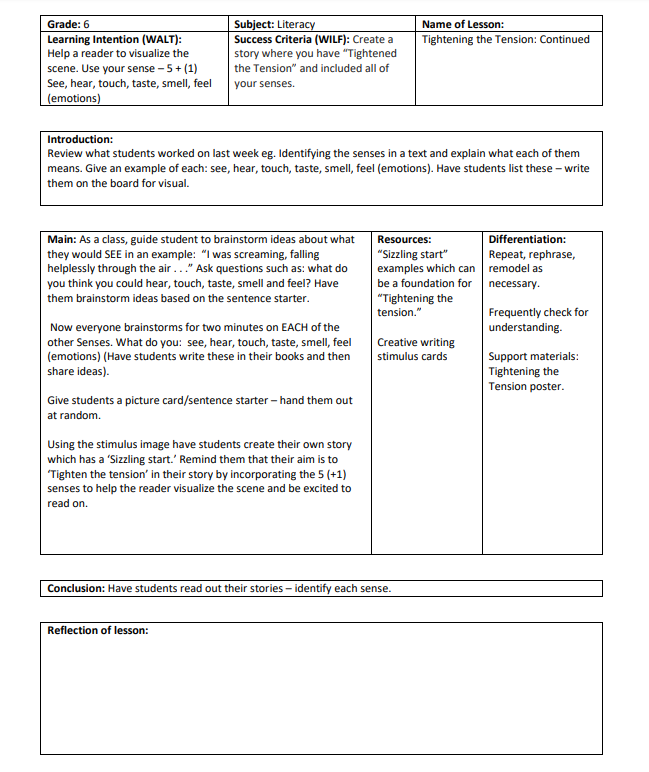
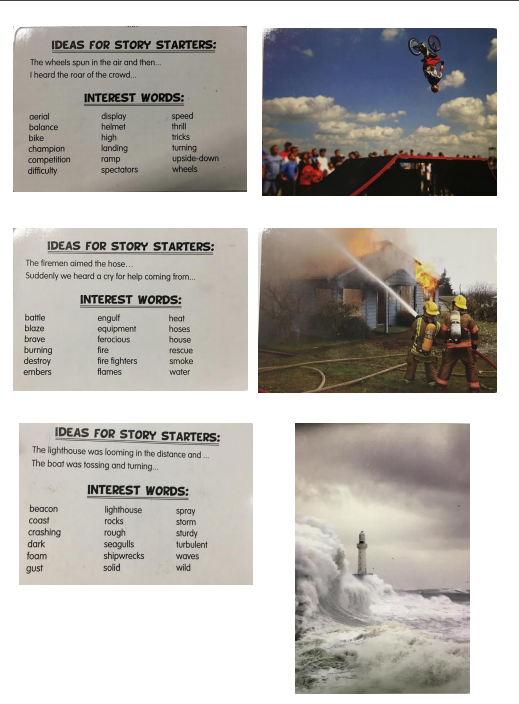
Using the Seven Steps of Writing, students will have the opportunity to create their own literature using stimulus from a picture card. Each card has example ideas for story starters as well as interest words to support EAL/D learners throughout each stage of their writing (from planning and beyond).
18. Literacy Planet (online or on iPad)
Possible links to Australian Curriculum: Language variation and change; Language for interaction; Text structure and organisation; Expressing and developing ideas; Phonics and word knowledge; Literature and context; Responding to literature; Examining literature; Creating literature; Texts in context; Interacting with others; Interpreting, Analysing, Evaluating; Creating texts (ACARA, 2012).


An interactive online resource- linked to the curriculum- which offers a broad range of writing content and lesson plans for teachers. It offers templates for persuasive, imaginative and informative texts. Each lesson outlines the purpose of text types and work to help students identify specific structural and linguistic features. The program is available online or on iPad and it covers spelling, reading, grammar and punctuation, comprehension writing, pre-reading, phonics and sight words.
Teachers are also able to assign tasks and track student progress through the program.
Suitable for all ages.
Available at: https://www.literacyplanet.com/au/
19. Education.com: Typing Sentences for Accuracy: Famous Places
Possible links to Australian Curriculum: Text structure and organisation; Phonics and word knowledge; Creating texts (ACARA, 2012).

An interactive online resource which provides opportunities to read and copy structured sentences about famous places around the world. This resource encourages students to learn at their own pace to ensure fluency can be achieved when reading and using ICT tools to type informative texts.
Available at: https://www.education.com/games/typing-sentences/
20. Clicker 6
Possible links to Australian Curriculum: Text structure and organisation; Expressing and developing ideas; Phonics and word knowledge; Creating literature; Creating texts (ACARA, 2012).

Clicker 6 is an online tool which can support differentiated curriculum planning. It allows for the creation of various text types and provides learning opportunities for students to interact with texts in a variety of ways. It has several ease of access features including text audio (reads text aloud), highlighting tools and it also shows pictures of words (the option for adding pictures or symbols can be toggled on and off). Simple sentences can be created using a ‘drag and drop’ tool or text can be written manually. EAL/D students with diverse learning needs can access this resource while using it to create simple or complex sentences and paragraphs which can be supported by visual representations. There are also editing tools available to check and edit pieces of writing that students may create.
21. Interactive Writing Games
Possible links to Australian Curriculum: Text structure and organisation; Expressing and developing ideas; Examining literature; Phonics and word knowledge; Creating literature; Creating texts; Interacting with others (ACARA, 2012).
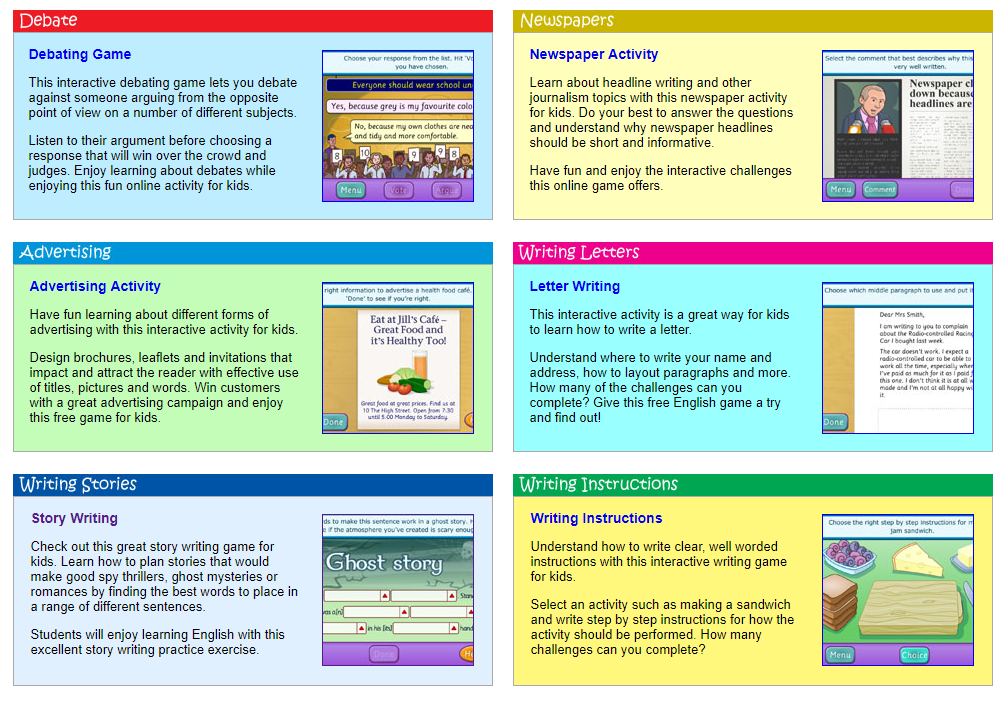
This resource can be used on an interactive whiteboard or on a computer in the classroom/at home. There are six interactive writing activities which enable students to become familiar with different text types while they learn to examine literature, respond to literature and create literature.
Available at: http://www.funenglishgames.com/writinggames.html
22. Ernie Dances to the Didgeridoo: Resource evaluation and lesson plan
Possible links to Australian Curriculum: Text structure and organisation; Expressing and developing ideas; Phonics and word knowledge; Creating literature; Creating texts; Interacting with others (ACARA, 2012).
Resource Evaluation (by Ellissa Turner) of Ernie Dances to the Didgerido by Alison Lester (2001)
(Lesson plan and assessment opportunity included)


Following his move to Arnhem Land, a boy called Ernie writes to his friends during the six seasons of the Kunwinjku year including Kudjewk (monsoon season), Bangkerreng (harvest time), Yekke (cool weather), Wurrkeng (early dry season), Kurrung (hot-dry season) and Kurnumeleng (pre-monsoon season). He describes his interactions with people, plants and animals new to him and his life in Arnhem Land. The story explores knowledge of an Indigenous Australian group known as the Kunwinjku people. This resource could be a useful tool to encourage intercultural understanding in the classroom for Indigenous and non-Indigenous students.
23. Teaching grammar using music
Possible links to Australian Curriculum: Language variation and change; Language for interaction; Text structure and organisation; Phonics and word knowledge; Texts in context; Examining literature (ACARA, 2012).

These video resources can be used to structure lessons to develop understanding of the different types of comparatives, superlatives, adjectives, prefixes, verbs, adverbs, conjunctions, prepositions, question words and tense. Music often repeats words so through engaging with these resources, students may be able to improve their memory retention of certain vocabulary or grammar while also developing understanding of the speed and flow of speaking English which can be later transferred into writing. Music can also be used to increase cultural understanding for EAL/D students.
24. Language Games for ESL students
Possible links to Australian Curriculum: Language variation and change; Language for interaction; Text structure and organisation; Expressing and developing ideas; Examining Literature; Phonics and word knowledge; Creating literature; Creating texts; Interacting with others (ACARA, 2012).
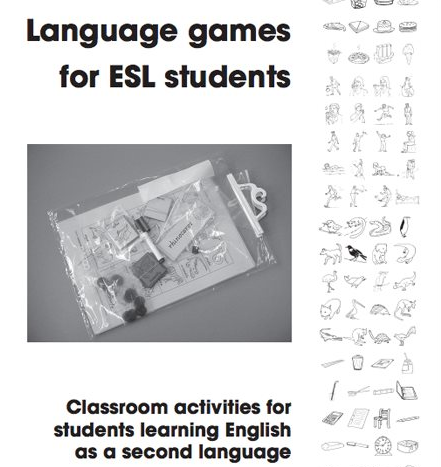
These printable materials can be used to make language games EAL/D students, across all year levels. The games consolidate and reinforce skills in speaking, listening, reading and writing, and give students a chance to use a range of language functions important for working and playing with others. Many suggestions on how to play a range of games are provided. The games are based 19 topics that are usually taught to newly arrived EAL/D students including: Actions, Animals, Beach, Body, Clothes, Food, Plants and gardens, School, Transport and Weekend activities.
Note: The games can be used in the following contexts: whole class activities, pairs or in small groups, mutli-aged groups, mixed ability groups and individually.
Available at: http://fusecontent.education.vic.gov.au/0ee6a101-dc32-4fce-85ef-bc85ffa03943/esl%20word%20games%20hi%20res.pdf
25. Functional Grammar Introductory Support Materials
Possible links to Australian Curriculum: Language variation and change; Text structure and organisation; Examining Literature; Expressing and developing ideas; Phonics and word knowledge; Creating literature; Creating texts (ACARA, 2012).


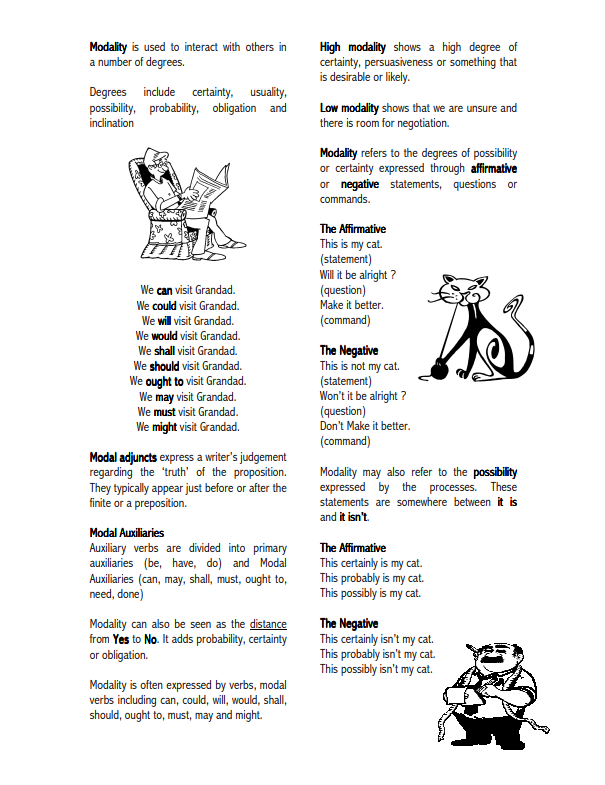


Students will be able to explore the use of traditional and functional grammar in the different units of meaning including sentences, clauses, groups/phrases, words and morphemes. This resource can be used as a tool to explore and teach field, tenor and mode when examining classroom texts. Teachers can also use this resource to develop skills for recognising and creating texts which include correct structure and use of language features including participants, processes, theme and cohesion.
26. Writing Assessment Tasks and Criteria
Possible links to Australian Curriculum: Language variation and change; Language for interaction; Text structure and organisation; Expressing and developing ideas; Phonics and word knowledge; Literature and context; Responding to literature; Examining literature; Creating literature; Texts in context; Interacting with others; Interpreting, Analysing, Evaluating; Creating texts (ACARA, 2012).

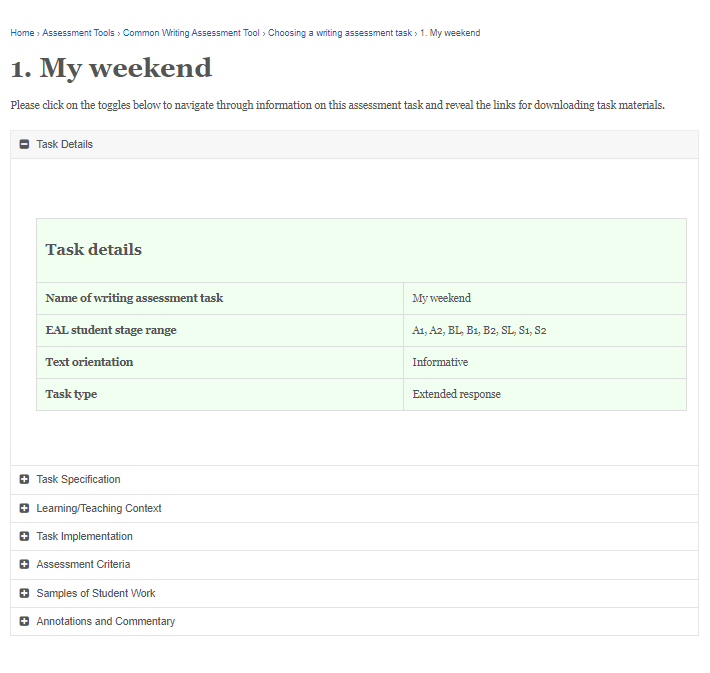
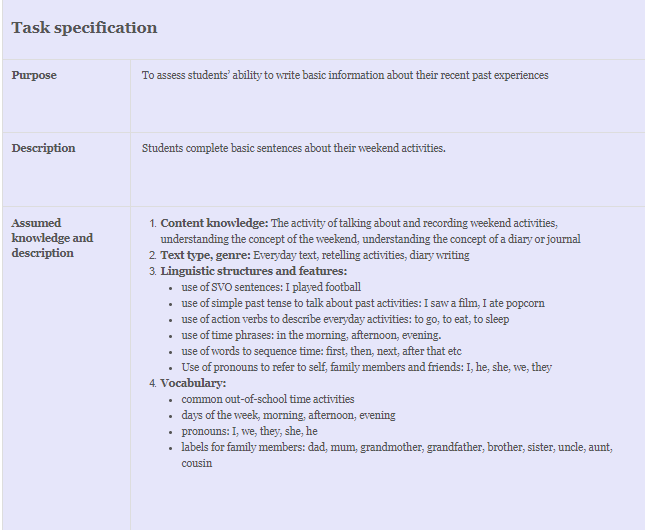
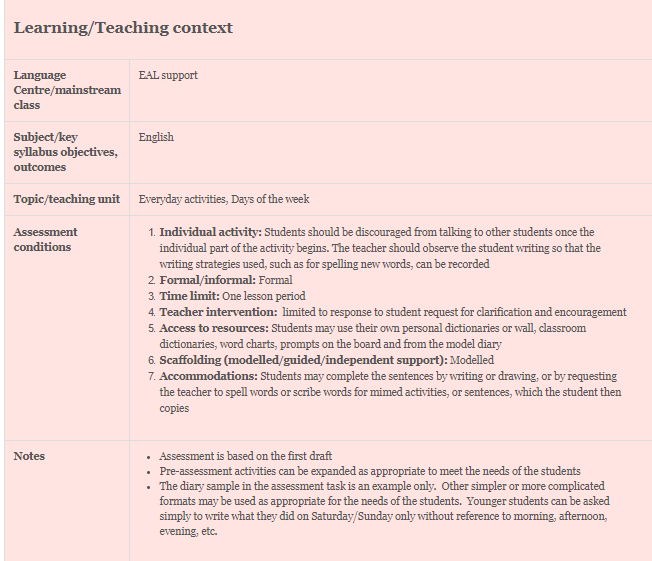


This resource provides tasks and assessment opportunities for teaching EAL/D students which aims to teach them how to write informative, imaginative and persuasive texts. Each task includes information of task details, task specifications, learning/teaching context, task implementation, assessment criteria, student work samples and annotations and commentary of student work.
Available at: http://teal.global2.vic.edu.au/assessment-tools/common-writing-assessment-tasks/writing-tasks-and-criteria/
27. Recording Sheet: Writing tasks for EAL/D students
Possible links to Australian Curriculum: Language variation and change; Language for interaction; Text structure and organisation; Expressing and developing ideas; Phonics and word knowledge; Literature and context; Responding to literature; Examining literature; Creating literature; Texts in context; Interacting with others; Interpreting, Analysing, Evaluating; Creating texts (ACARA, 2012).
(Examples of completed and blank recording sheets provided)


Assessing writing samples can be an effective way to gauge the language development of EAL/D and non-EAL/D students over a period of time. Checklists and running records such as PM levels or Probes can be used to track learning, inform differentiation for further learning while providing insight into necessary topics for future lessons.
The website from which this resource was obtained (shown below) also has writing and assessment tasks available which have been tailored to suit the needs of students with different home languages including: Arabic, Chinese, Somali, Turkish and Vietnamese, in addition to English. There are also recording sheets and interpreter notes available for each task, in each respective language.
Available at: http://fusecontent.education.vic.gov.au/3c872b8a-d24e-475d-b000-b1fb30b2f561/final_combined%20firstlangassess.pdf
28. Pragmatic Organisation Dynamic Display (PODD) Communication Book
Possible links to Australian Curriculum: Language variation and change; Language for interaction (ACARA, 2012).

An easy to use tool, which allows students with communication difficulties, to interact with others in a way that reduces frustration and anxiety. Students can ask questions, make statements and demonstrate knowledge and understanding while navigating this tool. There is also a version available on iPad.
Note: observed in practice at Geebung Special Education School.
Australian Curriculum and Reporting Authority, ACARA. 2012. The Australian Curriculum: English. Structure: Strands, sub-strands and threads. Available at: http://www.australiancurriculum.edu.au/f-10-curriculum/english/structure/
 EAL/D: Teaching Writing